


“Many emaSwati want to travel locally, but cost, limited information, and access continue to hold them back.”
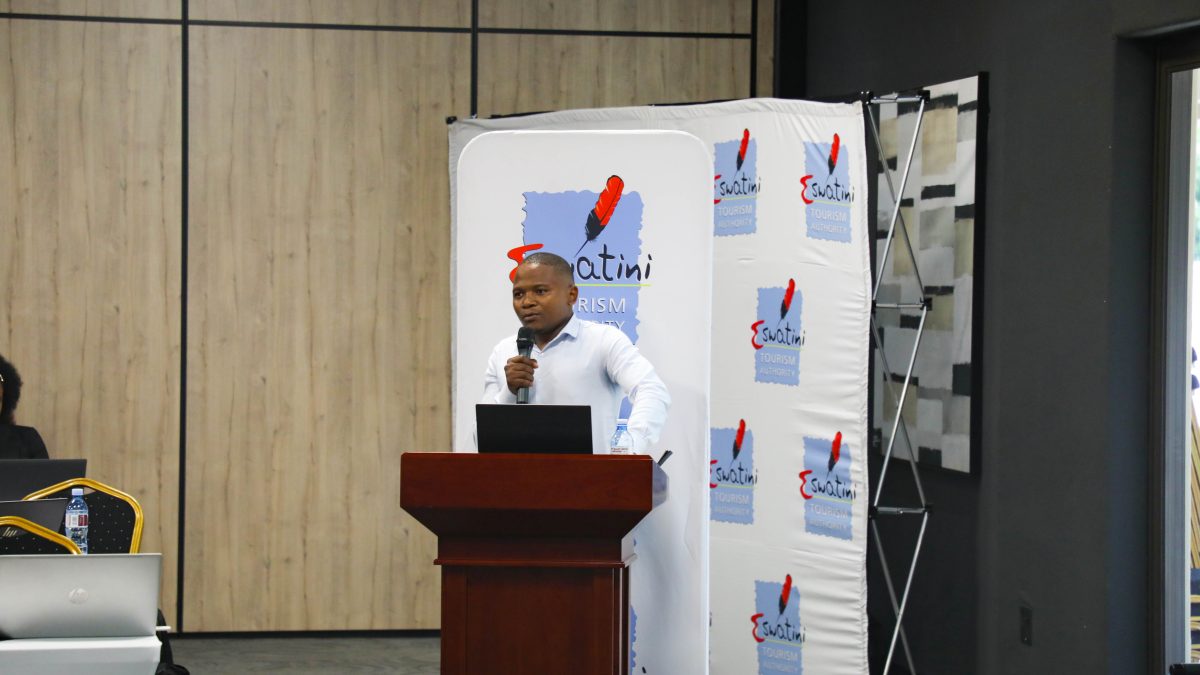
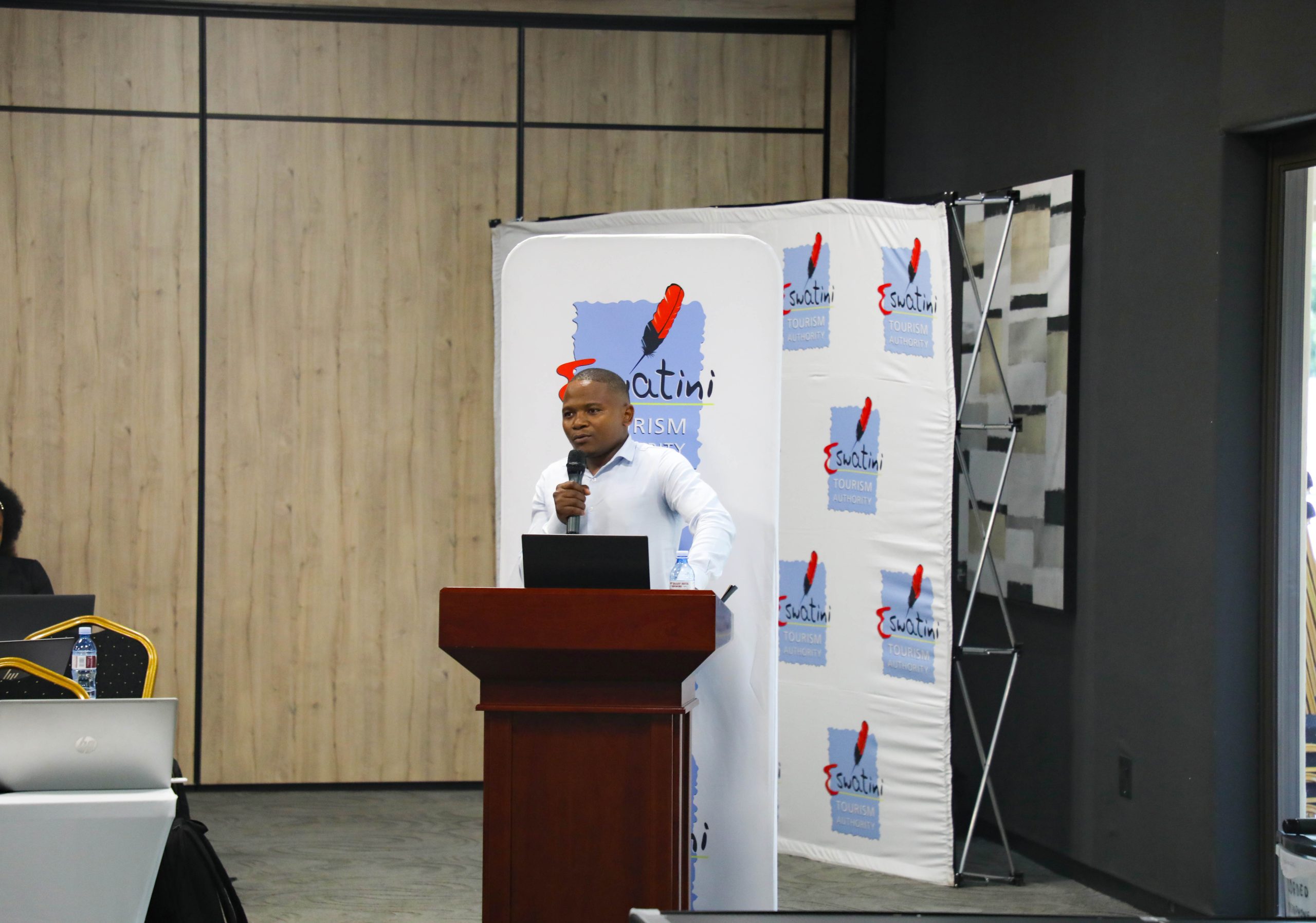
Eswatini has no shortage of beautiful landscapes and scenery, yet domestic tourism remains underutilised and largely occasional. The 2026 Domestic Tourism Study, commissioned by the Eswatini Tourism Authority (ETA) and conducted by the Eswatini Economic Policy Analysis and Research Centre (ESEPARC), was presented by Research Fellow Gcina Dlamini on 23 March 2026 at Happy Valley. The findings provide a clear picture of how emaSwati travel, and why many are not travelling more often.
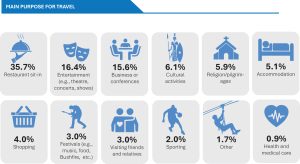
Travel within the country remains infrequent and, in many cases, linked to business rather than leisure. However, when emaSwati do travel, they travel with friends or family, showing a strong preference for shared experiences and reinforces the social nature of domestic tourism. Moreover, Restaurant sit-ins emerge as the main purpose for travel (35.7%), placing lifestyle and social outings at the centre of domestic tourism.
When it comes to leisure preferences, restaurant sit-ins still rank high as an activity of interest, followed by wildlife experiences such as game viewing, and then nature-based attractions including scenic drives, parks, dams, rivers, waterfalls, and mountains. These patterns show a clear demand for accessible, experience-based tourism.
Despite this interest, most trips are short and often not planned. Many travellers stay for only one night and do not always use formal booking systems. Accommodation preferences are led by hotels (28.8%), valued for providing a safe, comfortable, and functional place to stay overnight. However, the low use of booking platforms remains a concern, largely due to trust and fraud-related issues, with many travellers relying instead on social media and recommendations from friends.
Spending patterns show that the average domestic tourism expenditure is SZL 2,485, reflecting a decline from the 2019 study. Notably, younger travellers aged 18 to 25 spend an average of SZL 2,872,which is higher than other groups, despite generally having lower income levels. This shows that while financial constraints exist, there is clear interest in domestic travel, particularly among young people.
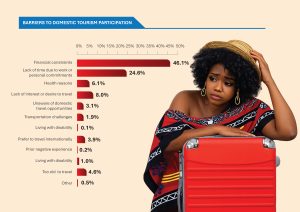
Financial barriers remain the most significant limitation, affecting 46.1% of Emaswati, followed by the lack of time due to work or personal commitments at 24.6%. These findings show that participation in domestic tourism is shaped not only by affordability, but also by personal circumstances and competing priorities.
The study classifies travellers into different tourism segments including diners, socialisers, business travellers, cultural enthusiasts, religious pilgrims, family getaway seekers, and couples. However, current offerings do not fully respond to these different needs, limiting the sector’s ability to convert interest into regular travel.
The study also outlines key recommendations aimed at strengthening domestic tourism. These include introducing tiered pricing structures and local discounts to improve affordability, as well as developing bundled “staycation” packages that combine accommodation, dining, and activities to encourage longer stays. Strengthening marketing and communication, particularly through platforms such as WhatsApp, is also highlighted as essential to improving awareness and visibility of local destinations. In addition, the study emphasises the need to improve service quality through training and certification, invest in road infrastructure and rural tourism development to enhance accessibility, and loyalty programmes to encourage repeat travel among domestic tourists. Stakeholder reflections during the session reinforced these findings. Participants highlighted poor road access to destinations, limited information about available attractions, and the tendency for travellers to book short stays due to uncertainty. There were also calls for better packaging of tourism products for the local market, improved visibility of lesser-known destinations, and more affordable pricing structures tailored to emaSwati. Concerns were also raised around unregulated accommodation platforms and fraudulent listings, which continue to affect trust.
As the workshop concluded, the Chief Executive Officer of the Eswatini Tourism Authority (ETA), Vusi Dlamini, noted that the discussions had provided a comprehensive assessment of the sector, affirming both the progress achieved and the structural challenges that remain. While the country has surpassed one million international arrivals, he emphasised that growth remains largely concentrated within the SADC region, highlighting the need for a forward-looking strategy focused on market diversification and resilience.
He further highlighted that domestic tourism should be treated as a key pillar of the sector, requiring deliberate policy support, targeted interventions, and better alignment of tourism products. Priority areas identified include improving service quality, strengthening skills development, advancing digital transformation, and enhancing investment facilitation.
Recognising the dynamic nature of the sector, he emphasised the need for continuous alignment and flexibility, noting that insights from the workshop will inform the ongoing strategy review. He also highlighted the importance of creating opportunities for young people, ensuring that the growth of the tourism sector is inclusive.
He further stressed the importance of documenting and promoting Eswatini’s cultural heritage, noting that this should go beyond preservation to telling meaningful stories about the country’s identity. He highlighted the need for continued product mapping and development, pointing out that Eswatini has a wide range of tourism offerings that must be properly packaged and positioned. Communities and municipalities, he noted, play a key role in shaping these narratives, and development should be managed in a way that preserves cultural heritage rather than eroding it.
